How Tanzlite reframed Chabri Energy Ltd to match its operational scale

How Tanzlite reframed Chabri Energy Ltd to match its operational scale
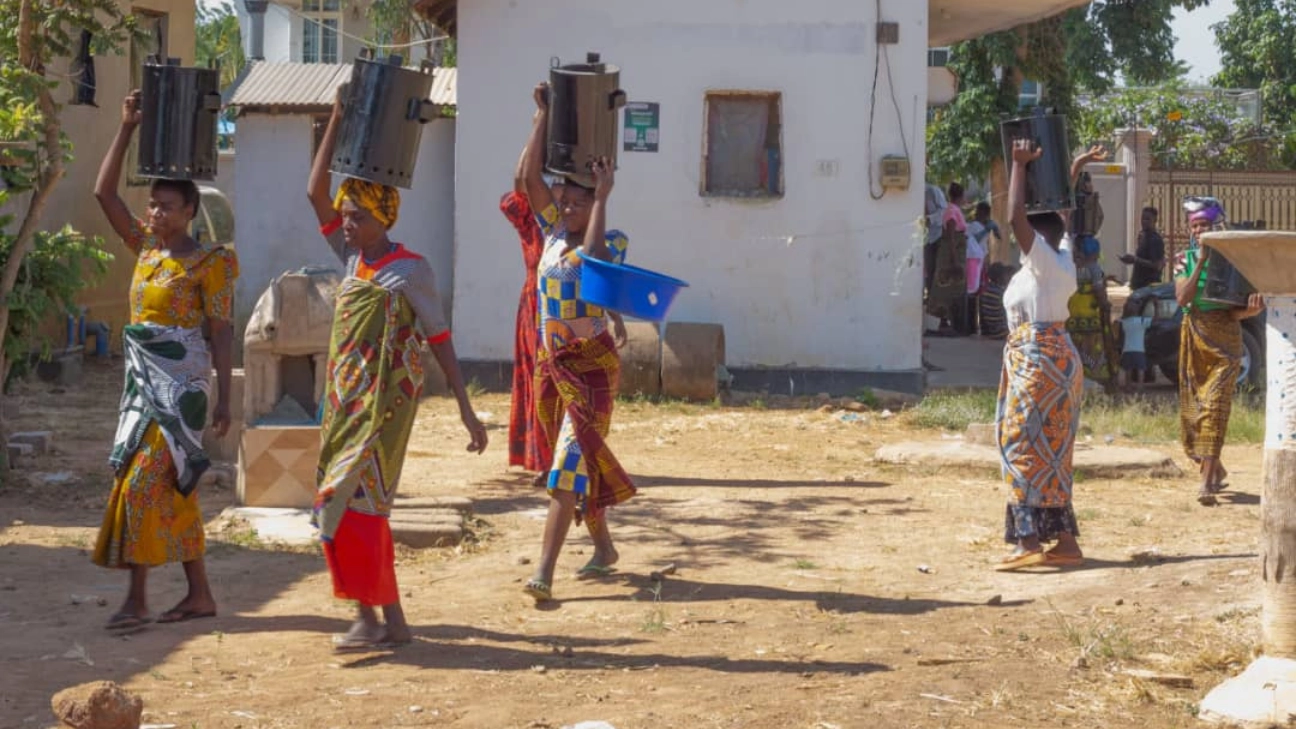
women in kitenge wear carrying modified clean energy cooking stoves

How Tanzlite reframed Chabri Energy, a Tanzanian clean energy company to match its operational scale

Overview

Erlier in 2026, Chabri Energy approached Tanzlite Digital to rebuild a website the company had outgrown. The engagement has since produced a new five-page site, a launched newsletter, and results that arrived faster than either of us expected. The work continues under retainer.

But the website was not the actual project. The actual project was a diagnostic.

The Company

Chabri Energy is a clean cooking company based in Kisesa, Mwanza Region. Founder Bernard Makachia started it in 2018 with a thesis that has since proven correct: Africa's clean cooking transition would not be solved by imported solutions, but by locally engineered systems that fit the realities of African kitchens.

Seven years later, the operational substance was considerable. KuniSMART biomass briquettes deployed across the Lake Zone. JikoSMART gasifier stoves in over a thousand households and food businesses. Institutional brick stove installations built through partnerships with Geita Gold Mine and the Government of Tanzania. Active investee in the FUNGUO Programme, jointly funded by the EU, UK Aid, and UNDP. Engagement with the British High Commission through the Manufacturing Africa initiative. A TZS 50 million presidential innovation award presented by H.E. President Samia Suluhu Hassan at the Africa Energy Summit 2025.

By any reasonable measure, Chabri was a serious clean energy operator with national institutional credentials and regional strength across the Lake Zone. Its website said none of this.

The Gap

The previous site described two products through generic clean cooking claims. "Save Money and Environment with KuniSMART." "A Complete System for Efficiency." Phrasing that could have appeared on any clean cooking website anywhere.

The presidential award did not appear. FUNGUO did not appear. The British High Commission engagement did not appear. The Geita Gold Mine partnership did not appear. The institutional brick stove product line, Chabri's most significant commercial offering, did not exist on the site at all.

The site presented a small SME selling two products. The reality was an operator with regional scale, institutional credentials, and a body of intellectual work on East Africa's energy transition.

The diagnostic was not that the website needed better design. The diagnostic was that Chabri's public presentation was materially undervaluing the company on every dimension that mattered to funders, procurement officers, journalists, and development partners.


The Work

Positioning came first. We settled on: clean cooking, designed to how people already live. This carried Bernard's intellectual position from his existing writing while differentiating Chabri from the LPG-led national conversation dominating East African policy.

Architecture followed. Five pages, not the typical seven or eight. Audience hierarchy: institutions first, development partners second, individuals third. The Cooking Stoves page would lead with institutional brick stoves, Chabri's highest-value offer. The About page would build founder credibility through narrative, not résumé. Institutional partnerships carried at full weight across every page.

Then copy. The organizing principle: every sentence had to earn its place. The result reads like a serious clean energy company headquartered anywhere serious clean energy companies are headquartered, not a generic clean cooking website.

Then supporting assets. Bernard's LinkedIn profile was rewritten to surface the presidential award in the headline and anchor his About section in the founding story. A newsletter, Notes from the Kitchen, was also launched as a permanent home for his intellectual work.
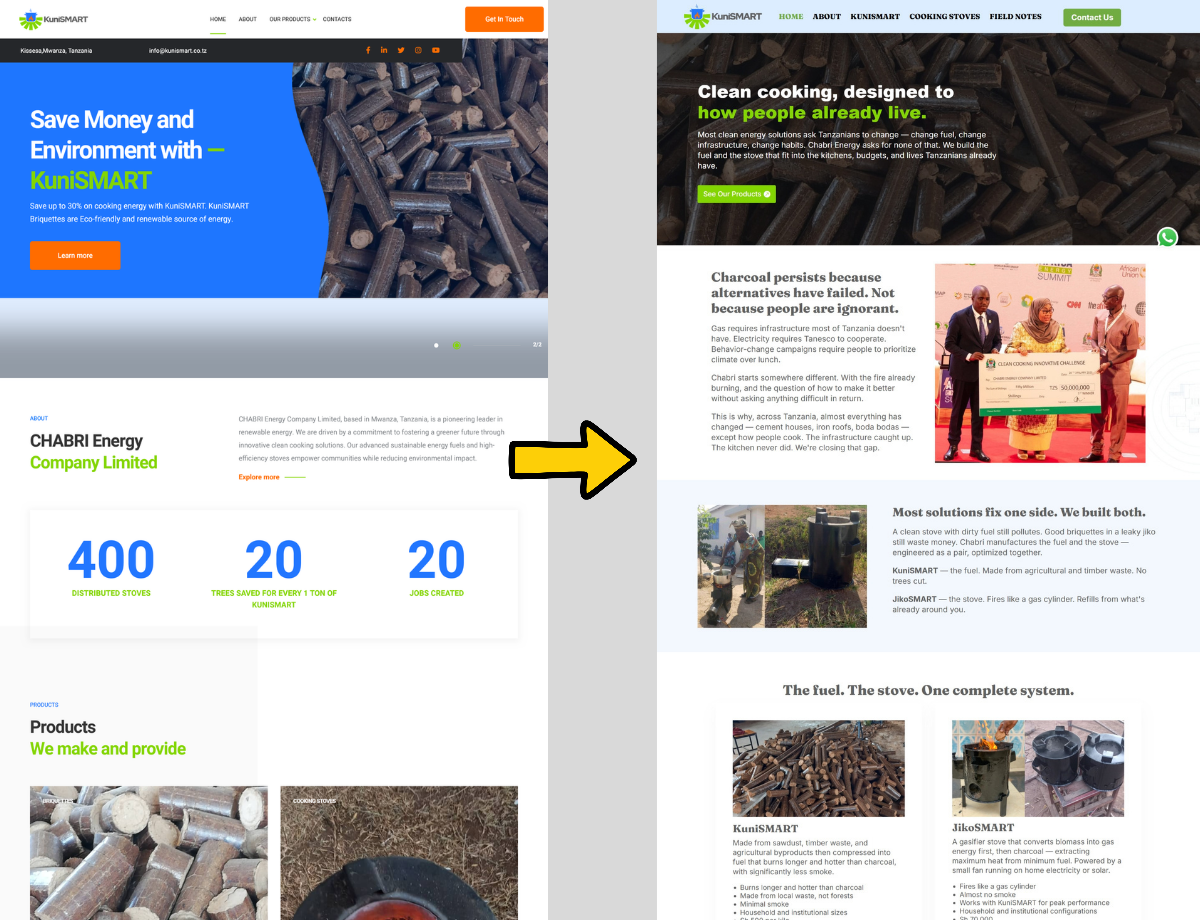
Selected screens

The Outcome

The site launched in early May 2026.

A Swiss consultant embedded with Chabri's institutional partners, encountering the new site, sent unsolicited praise: "love the new website by the way." No commercial relationship with Tanzlite, no incentive to comment. The closest thing to objective validation agency work can receive.

In the second week of May, against a news cycle dominated by rising LPG prices, we drafted a LinkedIn post arguing that single-fuel national strategies were structurally fragile. The post performed substantially above Bernard's average engagement and produced an inbound message within hours from an investor proposing a funding conversation.

The same week, Bernard exchanged substantive comments with the co-founder of a Pan-African LPG company on whether regulatory reform could solve the affordability problem, exactly the kind of peer-respectful, intellectually serious public exchange that builds long-term founder reputation in a sector.
Notes from the Kitchen launched May 15 with its first issue, The Wrong Question, drawing on the same diagnostic that organized the website.
These are early indicators, not proof. That proof accumulates over the months ahead. But they are consistent signals that the work is producing the surface area Chabri needed to be producing all along.

☆☆☆☆☆

"Chabri was operating at one scale and presenting at another. We had the presidential award, the FUNGUO investment, the institutional partnerships, the deployments across the Lake Zone. But our website didn't reflect any of it. Shukuru and the Tanzlite team understood the gap immediately and rebuilt the entire public-facing identity to match the work we actually do. Every page, section, and line was written with discipline. What we got was not a redesign but a repositioning. And the international appeal it gave us in the renewable energy sector is opening conversations we couldn't open before."

Mecktilder M. M.

Bernard Makachia

Founder & CEO, Chabri Energy Limited

The Principle

Most clients have built more substance than their communications reflect. The work is closing the gap between what the company is and how it shows up. Deliverables (websites, profiles, newsletters, calendars) are evidence of the strategic work, not the strategic work itself. We begin with the diagnostic, then build outward.

Chabri Energy was the kind of client this approach exists for. The work continues.

Repositioning Africa Transcribe into AfriMali Insight

Repositioning Africa Transcribe into AfriMali Insight

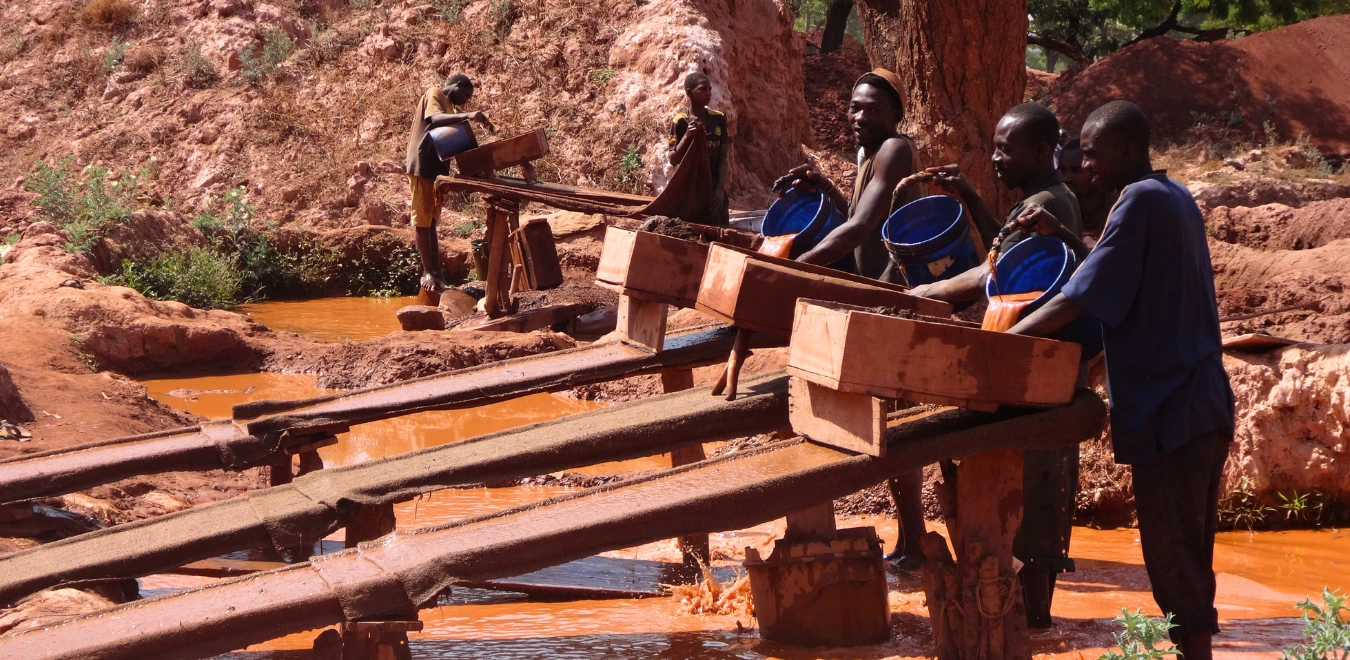
Young men working in Tanzania's artisanal mining

Repositioning Africa Transcribe into AfriMali Insight

Overview

AfriMali Insight is a policy- and execution-focused social enterprise operating in Africa’s natural resource economies. When the founder approached Tanzlite, the organization was known as Africa Transcribe — a name and website that no longer reflected the level of work being undertaken.

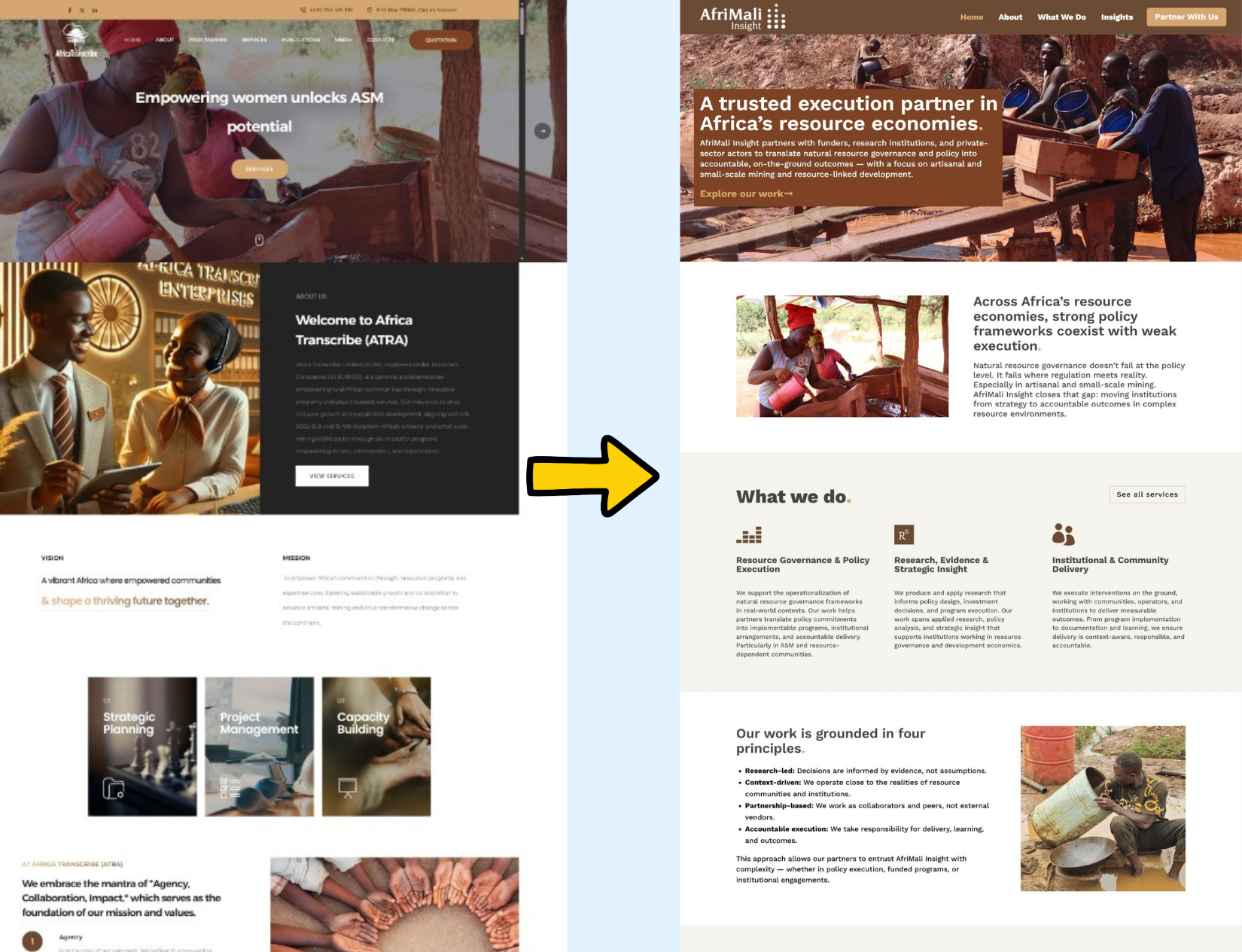
This was no ordinary redesign. It was a repositioning of the organization’s public identity to match the level at which it already operates.

The Context

The founder was already operating at a high institutional level — contributing to policy research, collaborating with international organizations, and engaging in governance conversations across Africa’s resource sectors. However, the public identity signaled a lower-order service provider.

The name “Africa Transcribe” and the existing website structure framed the organization as a service provider rather than a research-led execution partner. There was a clear disconnect between product and packaging.

The Core Problem

The organization was operating at a policy and institutional level, but presenting itself as a transactional service provider. This mismatch created three risks:

  • Underpricing institutional work

  • Misalignment with grant-making and research partners

  • Ambiguity around organizational posture

The work was serious. The identity was not yet aligned.


Our Strategic Approach

Tanzlite approached this engagement in structured phases, beginning with clarity before design.

1. Naming & Identity Repositioning

Through strategic exploration, we supported the transition from Africa Transcribe to AfriMali Insight.

The new name anchors the organization in Africa’s resource economies while signaling analytical depth and institutional posture.

It shifts perception from service execution to governance, policy, and economic engagement.


2. Positioning Clarity

We defined AfriMali Insight as a trusted execution partner in Africa’s resource economies.

This positioned the organization at the intersection of policy, research, and implementation — where most institutions struggle to operate. Now it feels earned.

Language across the site was rewritten to remove NGO tropes and service-shop framing, replacing them with institutional vocabulary and outcome-focused clarity.


3. Structural Overhaul

The previous website separated “programs” and “services,” creating internal fragmentation and an unclear external narrative.

We restructured the site around three execution domains:

  • Resource Governance & Policy Execution
  • Research, Evidence & Strategic Insight
  • Institutional & Community Delivery

This simplified navigation while reinforcing authority.


4. Semantic Discipline

We treated messaging as infrastructure. Every headline, paragraph, and navigation label was rewritten to ensure:

  • Institutional tone
  • Operational credibility
  • Consistency in terminology
  • Elimination of filler language

The objective was to establish language others could use to describe AfriMali Insight accurately in professional settings.


5. Visual Identity Alignment

The logo and website were designed with restraint and durability in mind.

The visual system prioritizes clarity, restraint, and legibility across institutional contexts — from reports to formal engagements.

The result is an identity that can comfortably exist in policy, research, and institutional environments.

The Outcome

AfriMali Insight now presents a cohesive and credible institutional identity aligned with the level of work it performs. The transition achieved:

  • Alignment between external reputation and public identity
  • Clear positioning as a trusted execution partner
  • Simplified structure supporting grant and institutional engagement
  • Confidence from the founder in communicating the organization’s mandate


The new identity was approved without revision meetings — a signal of clarity and strategic alignment.

The organization can now communicate its work without explanation or translation.

☆☆☆☆☆

"When I approached Tanzlite, my organization was operating at one level institutionally and being perceived at another. The mismatch was costing us. Shukuru and his team led us through a complete repositioning. Including a new name, identity, and website architecture. What stood out was their semantic discipline. Every headline, section, and navigation label was rewritten to reflect the level at which we actually work. The new identity was approved without rounds of revision meetings. That alone tells you the quality of strategic thinking they bring."

Mecktilder M. M.

Evans Rubara

CEO & Founder, AfriMali Insight

Selected Screens

If your messaging doesn't survive contact with real money, let's fix that.

You already sense something isn't landing. Let's find it.
How We Repositioned a NASA-recognized Space-Tech Company Online

How We Repositioned a NASA-recognized Space-Tech Company Online

Young men working in Tanzania's artisanal mining

How We Repositioned a Space-Tech Company Online

Overview

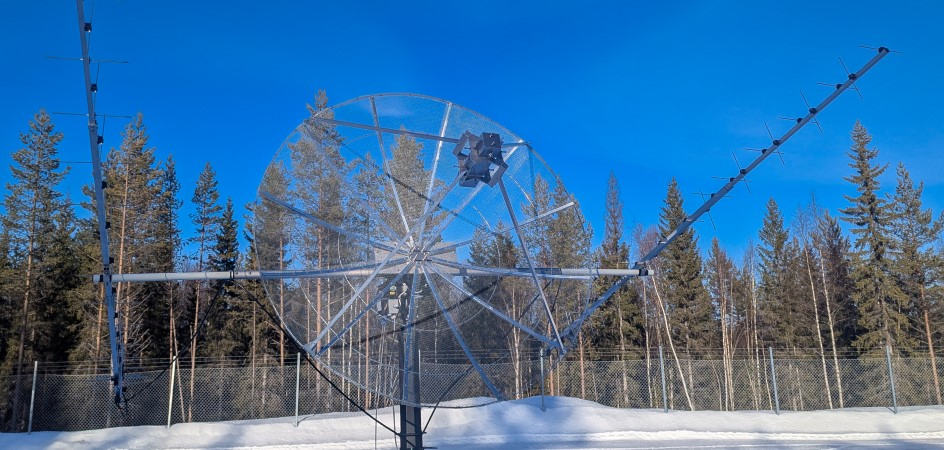
Remos Space Systems AB had already achieved what most startups only aspire to: citation in NASA's State-of-the-Art Small Spacecraft Technology Reports, selection into ESA BIC, Arctic Business, Techstars Space and EU Cassini, and customers and deployments across multiple countries. Its website communicated none of it clearly. There was no flagship message, no hierarchy, just specifications stacked on specifications. The problem was never capability. It was presentation.

The Challenge

Remos builds software-defined satellite modems, turnkey ground stations, mission control systems, and capacity-building infrastructure for emerging space programs. Every page on its website was built like documentation: no flagship message, no narrative flow, no distinction between positioning copy and technical copy.

First-time visitors couldn't tell what Remos does. Product pages front-loaded technical detail. The NASA citation and international credibility were buried. Search visibility underperformed against the company's real authority. The site looked like a catalog when it should have looked like infrastructure leadership.

Our Approach

We treated it as a strategic communications rebuild, not a cosmetic redesign. Positioning came first. After working sessions and audits, we identified the unifying message: Remos simplifies satellite ground operations through software-defined systems. That became the spine of the site. From there we rebuilt the architecture around buyer understanding rather than internal engineering logic.

Messaging

We rewrote the homepage, About page, product pages and FAQs from scratch. Instead of leading with protocols and modulation schemes, the new copy explains what Remos replaces, why software-defined infrastructure matters, who the systems are built for, and how emerging space programs can operate faster and more affordably.

The tone changed too: institutional clarity, technical confidence, commercial readability. Enough detail for engineers. Enough clarity for decision-makers.

Products

Product pages had functioned as specification sheets. We reorganised them into structured journeys: what the product is, who it serves, operational use cases, core capabilities, technical FAQs, SEO-aligned metadata.

We also separated positioning FAQs at homepage level from engineering FAQs at product level. That distinction improved readability without sacrificing technical depth.

Space Agency in a Box

The most important addition was a new page for Remos' capacity-building offering. Internally it had been described as a mix of ground stations, training, mission control, cleanrooms and satellite simulation, with no cohesive narrative.

We repositioned it as "Space Agency in a Box," aimed at emerging space nations, universities, research institutions and national innovation programs. The page turned scattered technical components into a national capability story.

Search and AI visibility

We rebuilt the site's search structure: metadata, JSON-LD schema, semantic keyword alignment, internal linking, and optimisation for AI search and answer engines. The focus was authority alignment rather than keyword density, making the site structurally reflect credibility the company had already earned offline.

This mattered most around NASA-related visibility, where competitors with weaker credentials were outperforming Remos simply because they communicated their authority better online.

The Outcome

The result is a website whose first screen tells you what Remos does and why it matters. The strongest credential, the NASA citation, now sits on the front foot instead of buried mid-page. The structure gives buyers, search engines and AI systems the same clear picture of the company the engineers already had. That is what a credible, well-positioned presence looks like, and it is the difference between a site that reads like a spec sheet and one that reads like a leader.

☆☆☆☆☆

"We engaged Tanzlite Digital to audit and reposition our website. What we got was more than a redesign. We got a strategic communications platform aligned with our technical authority. Shukuru and his team understood our positioning challenge: a NASA-recognized company whose website didn't reflect that leadership. They restructured our information architecture, rewrote our messaging, and optimized for both traditional search and AI-driven discovery. The result is a website that finally matches the calibre of work we deliver."

Mecktilder M. M.

Moses Browne Mwakyanjala, PhD

Founder & CEO, Remos Space Systems AB

How TWiMMI used social messaging to elevate women in mining

How TWiMMI used social messaging to elevate women in mining

TWiMMI Social Media Success

How TWiMMI Leveraged Social Media to Elevate Women in Mining

Company:

Tanzania Women in Mining and Mineral Industry (TWiMMI)

Project:

Social Media Marketing

Type:

Engagement, Awareness, Conversion

Platforms:

LinkedIn, Instagram, X

What Was the Challenge?

Despite their significant work in empowering women in the mining sector, TWiMMI struggled with visibility. Their online presence didn’t fully reflect their influence, impact, and advocacy efforts. They needed a digital strategy that would elevate their brand, attract the right stakeholders, and position them as industry leaders.

Our Approach

Tanzlite Digital developed and executed a trust-led digital marketing strategy, focusing on:
✔ Positioning TWiMMI as a key player in Tanzania’s mining sector
✔ Amplifying their advocacy efforts to increase engagement and credibility
✔ Showcasing their achievements to attract industry players and policymakers
✔ Enhancing their LinkedIn presence, ensuring thought leadership and visibility

The Success

Our collaboration led to significant outcomes, including:
✅ A Deputy Minister attended a TWiMMI event after seeing their online activities
✅ The Ministry reposted their content, increasing their credibility
✅ Participation from five African countries in their events
✅ High engagement from industry professionals on LinkedIn
✅ A strong, active LinkedIn presence, securing attention from key stakeholder

 Beyond Social Media

TWiMMI’s impact has now reached an international stage! They recently represented Tanzania at the Invest in Africa Mining INDABA, one of the continent’s most prestigious mining conferences. This milestone solidifies their role in shaping the future of women in mining—not just in Tanzania, but across Africa.

Conclusion

TWiMMI’s journey proves that digital presence isn’t just about being online—it’s about being heard, seen, and taken seriously. By strategically amplifying their voice, Tanzlite Digital helped position them for opportunities that continue to elevate their mission.

"Tanzlite has relieved the burden off our shoulder by taking over content creation and managing our organization pages. Now we consistently communicate our programs and attract partners and funders for our cause."

Mecktilder M. M.
Executive Secretary, TWiMMI
Boosted AzamPesa’s engagement with a new message reframing

Boosted AzamPesa’s engagement with a new message reframing

How Shukuru transformed AzamPesa’s social media engagement

Company:

AzamPay/AzamPesa

Project:

Content Strategy & Copywriting

Type:

Engagement, Awareness, Conversion

Platforms:

LinkedIn, Instagram, X

What was the challenge?

Before February 2023, the social media pages of AzamPay, AzamPesa and Sarafu faced a challenge common to many Tanzanian brands. They were talking at their audience. The content was directive and PR-ish—"Do this, Our product that." It left followers as passive recipients of information, resulting in minimal engagement.

For instance, AzamPesa's Instagram had over 11K followers but averaged just 20 likes and 3 comments per post.

The message reframing

As a Social Media Copywriter and Content Strategist, I suggested a complete content reframing. We shifted the audience from passive observers of our posts to active participants. Here's what I did:

  •  Created conversational and audience-focused captions.
  • Repositioned product posts to spark dialogue and connection.
  • Collaborated with designers to craft graphics that complemented the new tone.

The Impact

AzamPesa’s Instagram engagement saw significant improvement.

  • Average likes grew to 40+ per post.
  • Comments increased to 10+ per post.
  • Organic discussions began to flourish on posts.

Beyond results, I also learned a few critical lessons about working with content teams—though those remain my trade secret!

AzamPesa Analytics

Went Viral on X, their first ever

If you struggle with messaging to engage and reach new customers online